


Medicinal Cannabis: What Patients, Clinicians, and the Evidence Really Say
Beyond the headlines: therapeutic benefits, clinical uncertainty, patient safety and the future of prescribing in the UK.
By Dr. Emmanuel Eni Amadi, PhD, MBA.
Adult ADHD Clinician | GPhC-Registered Pharmacist Independent Prescriber (GPhC Reg. No.: 2065651) |
UKAAN-Trained in Adult ADHD | Medical Scientist.
Tuesday, 20 October 2026
Introduction:
A Medicine That Continues to Divide Opinion
Imagine living with a condition that has resisted several conventional treatments. You have attended countless appointments, tried different medicines and learned to organise your life around symptoms that never quite disappear.
Then someone mentions medicinal cannabis.
You hear stories of patients sleeping better, experiencing less pain or regaining some quality of life. But when you speak to a healthcare professional, the response is cautious.
Why?
Is medicinal cannabis a legitimate therapeutic option, an overpromoted treatment, or something in between?
I believe this is where we need a more informed conversation.
As a pharmacist independent prescriber and medical scientist, I approach medicinal cannabis in the same way I would approach any other medicine: What is the evidence? Who might benefit? What are the risks? And what responsibilities do clinicians have when recommending or prescribing it?
The subject deserves neither sensationalism nor automatic dismissal.
Medicinal cannabis should be judged by the quality of its evidence, not the strength of its publicity.
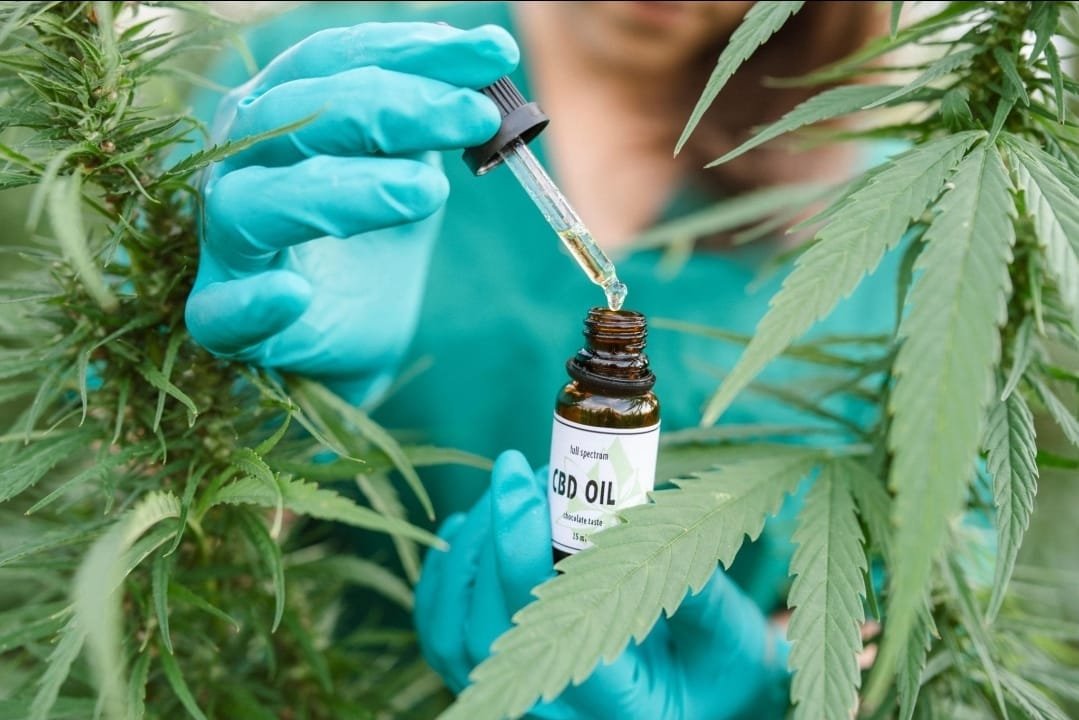
Medicinal cannabis illustration featuring green cannabis leaves and an amber glass bottle containing CBD oil with a dropper, representing cannabis-based medicinal products, clinical research, therapeutic applications and evidence-based healthcare. Article by Dr. Emmanuel Eni Amadi, PhD, MBA.
1. What Exactly Is Medicinal Cannabis?
Medicinal cannabis refers to cannabis-derived or cannabis-related products used for a therapeutic purpose.
The cannabis plant contains numerous chemical compounds known as cannabinoids. Two of the best-known are:
Tetrahydrocannabinol (THC): The principal intoxicating constituent of cannabis. THC can influence pain perception, appetite, mood and other functions, but it can also impair attention, coordination and judgement.
Cannabidiol (CBD): A cannabinoid that does not produce the characteristic THC-related intoxication. However, CBD is pharmacologically active and can cause adverse effects and interact with other medicines.
An important distinction is often overlooked: medicinal cannabis is not one standardised medicine.
Products differ in their cannabinoid composition, THC-to-CBD ratio, formulation, dose, manufacturing standards and regulatory status.
A licensed purified cannabidiol medicine is not clinically interchangeable with an unlicensed THC-containing cannabis oil or flower preparation.
Likewise, a high-street CBD supplement should not be assumed to have the same quality, clinical evidence or regulatory oversight as a prescription medicine.
The NHS and NHS England emphasise these differences when discussing cannabis-based products for medicinal use [1,2].
2. Is Medicinal Cannabis Legal in the United Kingdom?
Yes, within a tightly regulated medical framework.
In November 2018, the UK changed its regulations to permit the prescribing of certain cannabis-based products for medicinal use.
This was an important legal development, but it did not mean that cannabis became an ordinary over-the-counter medicine or that every prescriber could independently initiate treatment with unlicensed medicinal cannabis.
For unlicensed cannabis-based medicinal products, the initial prescribing decision must come from a doctor on the General Medical Council's Specialist Register, acting within their area of competence.
Some other healthcare professionals may participate in assessment, prescribing arrangements or ongoing care under appropriate specialist direction and governance. The rules also distinguish certain licensed products, including nabilone and Sativex, from the broader category of unlicensed cannabis-based medicinal products.
This distinction matters particularly for non-medical prescribers. Being a pharmacist independent prescriber does not, by itself, authorise independent initiation of an unlicensed cannabis-based medicinal product outside the statutory specialist framework.
The relevant requirements are described by the GMC, NICE and NHS England [2–4].
3. Where Does the Evidence Support Medicinal Cannabis?
The evidence is not equally convincing for every condition.
That is perhaps the most important point in this discussion.
Severe treatment-resistant epilepsy
One of the clearest examples of an evidence-based cannabinoid medicine is purified cannabidiol, marketed as Epidyolex.
It has demonstrated benefit for certain severe epileptic syndromes and is recommended by NICE under defined clinical and eligibility criteria.
This is not a recommendation for all forms of cannabis or for every patient with epilepsy.
It is evidence supporting a particular pharmaceutical product, used for particular conditions, within specialist care [3].
Multiple sclerosis-related spasticity
Some people with multiple sclerosis experience painful muscle stiffness or spasms that remain troublesome despite standard treatment.
NICE recommends a four-week trial of THC oromucosal spray, known as Sativex, for eligible adults with moderate to severe MS-related spasticity when other pharmacological treatments have not been effective.
Continuation depends on demonstrating a meaningful improvement in symptoms.
Treatment must be initiated and supervised by a physician with relevant specialist expertise [3].
Chemotherapy-induced nausea and vomiting
Nabilone, a synthetic cannabinoid, may be considered as an add-on treatment for adults experiencing chemotherapy-induced nausea and vomiting that has not responded adequately to optimised conventional antiemetics.
Again, this is a specific clinical use—not a blanket endorsement of cannabis products for nausea from every cause [3].
These examples demonstrate an important principle:
A medicine can have genuine therapeutic value for a defined indication without being an effective treatment for every condition for which it is promoted.
4. What About Chronic Pain?
Chronic pain is one of the most frequently discussed reasons for seeking medicinal cannabis.
It is also one of the areas where public expectations and clinical guidance can differ substantially.
People living with persistent pain often experience disrupted sleep, reduced mobility, emotional distress and loss of independence. Understandably, some are willing to consider alternatives when established treatments provide inadequate relief.
But patient need, however compelling, does not remove the requirement to evaluate benefit and harm.
A systematic review and meta-analysis published in The BMJ examined 32 randomised trials involving 5,174 adults with chronic pain.
It found that non-inhaled medical cannabis and cannabinoids produced small to very small average improvements in pain, physical functioning and sleep compared with placebo. Adverse effects, including dizziness, drowsiness and impaired attention, were more common [5].
A 2025 living systematic review from the US Agency for Healthcare Research and Quality further examined the benefits and harms of cannabinoid products for chronic pain [6].
The overall picture remains one of limited average benefits, important differences between products and continuing uncertainty about longer-term outcomes.
NICE NG144 does not recommend THC, nabilone, dronabinol or THC combinations for routine management of chronic pain in adults. It also advises against offering CBD for chronic pain outside a clinical trial [3].
This does not mean that every patient reporting benefit is mistaken.
It means that personal experience and evidence of reliable benefit across a wider patient population are not the same thing.
A patient may genuinely feel better, while clinical trials still show that the average treatment effect is modest, inconsistent or accompanied by significant adverse effects.
Both observations can be true.
5. Why Real-World Patient Experiences Matter—but Have Limits
Suppose a patient tells you:
"For the first time in years, I am sleeping through the night."
As a clinician, you should listen.
Improved sleep may be meaningful, particularly for someone whose symptoms have disrupted work, relationships and daily functioning.
However, clinical evaluation must go further.
Did the patient begin another treatment at the same time? Has the underlying condition changed? Is the benefit sustained? Has daytime alertness deteriorated? Are there adverse psychological effects?
Observational studies and patient registries can provide useful information about reported outcomes and longer-term patterns.
But without appropriate comparison groups, they cannot reliably establish how much improvement was caused by the treatment itself.
This is why real-world evidence should complement, rather than replace, well-designed clinical trials.
We should respect patient experience without turning every positive account into proof of effectiveness.
6. The Mental Health Question: Can Cannabis Make Some Conditions Worse?
This is particularly relevant to my wider professional interest in Adult ADHD and mental health.
Cannabis can affect mood, anxiety, sleep, attention and perception.
THC-containing products may produce anxiety, panic, cognitive impairment or other unwanted psychological effects. Particular caution is required when assessing people with a history of psychosis, bipolar disorder, substance misuse or other significant mental health conditions.
A person may initially describe cannabis as calming or sleep-promoting while experiencing deterioration in another aspect of functioning.
For example, a product that produces sedation may help someone fall asleep but impair concentration or alertness the following day.
For an adult already struggling with attention, impulsivity or executive functioning, this distinction matters.
NICE advises clinicians to consider mental health history, substance misuse, dependence risk, current cannabis use and relevant medical conditions before prescribing cannabis-based medicines [3].
Is cannabis an evidence-based treatment for Adult ADHD?
At present, cannabis should not be presented as an established treatment for the core symptoms of Adult ADHD.
NICE NG87 recommends established pharmacological and non-pharmacological approaches according to the patient's needs, with appropriate assessment, shared decision-making and monitoring [7].
Claims that cannabis treats ADHD effectively require stronger, condition-specific evidence before they can be adopted into routine clinical practice.
For patients who have both ADHD and another condition for which a cannabinoid medicine is being considered, the clinician must evaluate the full clinical picture rather than assume that treatment for one problem will improve the other.
7. Medicinal Cannabis Is Not Risk-Free
The word medicinal can sometimes create an impression of safety.
But medicines are not classified as safe simply because they have a therapeutic purpose.
Their risks must be understood, managed and weighed against expected benefits.
Potential concerns include:
Dizziness, drowsiness and impaired coordination.
Reduced attention, memory or cognitive performance.
Anxiety or other psychiatric adverse effects, particularly with THC-containing products.
Drug interactions and possible changes in the effects of other prescribed medicines.
Dependence, misuse and diversion risks.
Impaired driving or performance of safety-critical tasks.
Uncertainty about long-term safety, especially with unlicensed preparations.
CBD also requires careful consideration. Prescription cannabidiol can cause liver-related adverse effects and interact with other medicines, including some antiseizure treatments.
The NHS warns that products bought online may not contain what their labels suggest and may present additional risks [1].
A responsible prescribing decision therefore requires more than selecting a product and issuing a prescription.
It requires a documented assessment, appropriate product selection, a monitoring plan and clear criteria for stopping treatment when benefit is inadequate or harm occurs.
8. The Difference Between Licensed and Unlicensed Cannabis Medicines

This is an area where patients understandably become confused.
A licensed medicine has undergone regulatory evaluation for specified indications, including assessment of its quality, safety and efficacy.
An unlicensed medicinal cannabis product may be prescribed in appropriate circumstances, but it has not received the same UK marketing authorisation for the proposed use.
That does not automatically make it ineffective.
However, it increases the importance of clinical justification, informed consent, quality assurance, monitoring and professional accountability.
Patients should understand whether a proposed product is licensed or unlicensed, what evidence supports its use and what alternatives are available.
The GMC specifically highlights the responsibilities associated with prescribing unlicensed cannabis-based medicinal products [4].
In my view, transparency is essential.
A patient should never leave a consultation believing that an unlicensed product has undergone the same regulatory evaluation as a licensed medicine when it has not.
9. What Should a Good Medicinal Cannabis Consultation Look Like?
Whether a patient is seeking help for pain, spasticity or another condition, a high-quality consultation should begin with the diagnosis—not the product.
The clinician should establish what condition is being treated, how it affects the patient and which evidence-based treatments have already been considered.
A thorough assessment should include medical and psychiatric history, current medicines, potential interactions, substance-use history, relevant physical risks and the patient's treatment goals.
The discussion should then consider:
Clinical rationale: Why is a cannabinoid product being considered for this particular patient?
Evidence: What do clinical trials and professional guidelines actually support?
Alternatives: Are licensed medicines or non-pharmacological treatments more appropriate?
Consent: Does the patient understand the uncertainties, potential benefits and risks?
Monitoring: How will treatment response, adverse effects and functional outcomes be measured?
Review and discontinuation: When should treatment be adjusted or stopped?
For unlicensed products, specialist prescribing requirements and clinical governance must also be satisfied.
A well-run consultation is not a sales process.
It is a structured clinical decision intended to protect the patient's interests.
10. Private Clinics, Patient Expectations and the NHS
The expansion of private medicinal cannabis services has created new opportunities for patients to seek specialist advice.
However, private availability should not be confused with routine NHS endorsement or funding.
In the UK, access to NHS-prescribed cannabis-based medicines remains limited and indication-specific.
Patients considering private treatment should ask who is responsible for prescribing, whether the clinician has the required specialist status, what product is being supplied, how adverse effects will be monitored and what the total ongoing costs will be.
They should also establish how information will be shared with their usual healthcare professionals, with appropriate consent.
The NHS and GMC provide guidance that helps patients and clinicians understand these responsibilities [1,4].
The objective should be safe, coordinated healthcare—not fragmented treatment driven by advertising.
11. Where Should Medicinal Cannabis Research Go Next?
The future of medicinal cannabis should be shaped by better research.
We need more robust trials that distinguish between different cannabinoids, formulations and clinical indications.
We also need stronger evidence about longer-term outcomes, drug interactions, psychological safety and the effects of treatment on everyday functioning.
Research should include outcomes that matter to patients: not simply whether a symptom score changes, but whether people can sleep, work, participate in family life and function more effectively.
At the same time, studies must identify which patients are unlikely to benefit or may be particularly vulnerable to harm.
Scientific progress requires us to remain open to therapeutic possibilities without lowering the standards expected of other medicines.
Conclusion:
Evidence Must Lead the Conversation
Medicinal cannabis has moved from the margins of public debate into mainstream clinical discussion.
That is a significant development.
For selected conditions and specific licensed products, there is meaningful evidence of therapeutic benefit.
For other indications, including many uses promoted in the private market, the evidence remains limited, inconsistent or insufficient to support routine prescribing.
The right response is neither to reject medicinal cannabis outright nor to portray it as a solution to conditions that conventional medicine has failed to treat.
It is to ask better questions, conduct better research and make better clinical decisions.
As a pharmacist independent prescriber and medical scientist, I believe patients deserve a balanced explanation of both possibilities and limitations.
The future of medicinal cannabis should not be determined by hype, stigma or commercial pressure. It should be determined by evidence, patient safety and responsible clinical practice.
About the Author
Dr. Emmanuel Eni Amadi, PhD, MBA
Adult ADHD Clinician | GPhC Registered Pharmacist Independent Prescriber (GPhC Reg. No: 20-65-651) | UKAAN-Trained | Medical Scientist.
Dr Amadi is a UK-registered pharmacist independent prescriber, medical scientist and executive educator with a professional background in clinical pharmacy, pharmaceutical governance, research and mental health. His interest in medicinal cannabis concerns evidence-based therapeutics, medicines safety and responsible clinical practice. This article does not represent a claim of specialist medicinal cannabis prescribing experience.
References
[1] National Health Service (NHS) (n.d.) Medical cannabis (and cannabis oils). Available at: https://www.nhs.uk/medicines/medical-cannabis/ (Accessed: 20 October 2026).
[2] NHS England (2023) Cannabis-based products for medicinal use (CBPMs). Available at: https://www.england.nhs.uk/long-read/cannabis-based-products-for-medicinal-use-cbpms/ (Accessed: 20 October 2026).
[3] National Institute for Health and Care Excellence (NICE) (2019) Cannabis-based medicinal products. NICE guideline NG144. Available at: https://www.nice.org.uk/guidance/ng144/chapter/Recommendations (Accessed: 20 October 2026).
[4] General Medical Council (GMC) (n.d.) Information for doctors on cannabis-based products for medicinal use (CBPMs). Available at: https://www.gmc-uk.org/professional-standards/learning-materials/information-for-doctors-on-cannabis-based-products-for-medicinal-use (Accessed: 20 October 2026).
[5] Wang, L. et al. (2021) ‘Medical cannabis or cannabinoids for chronic non-cancer and cancer related pain: a systematic review and meta-analysis of randomised clinical trials’, BMJ, 374, n1034. Available at: https://www.bmj.com/content/374/bmj.n1034.
[6] Chou, R., Ahmed, A.Y., Dana, T., Morasco, B.J., Bougatsos, C., Fu, R. and Williams, L. (2025) Living Systematic Review on Cannabis and Other Plant-Based Treatments for Chronic Pain: 2025 Update. Rockville, MD: Agency for Healthcare Research and Quality. Available at: https://www.ncbi.nlm.nih.gov/books/NBK618045/.
[7] National Institute for Health and Care Excellence (NICE) (2018) Attention deficit hyperactivity disorder: diagnosis and management. NICE guideline NG87. Available at: https://www.nice.org.uk/guidance/ng87/chapter/Recommendations (Accessed: 20 October 2026).
Clinical disclaimer: This article provides general educational information and is not a substitute for an individual clinical assessment, diagnosis or treatment plan.